Celebrating a Lifesaving Public Health Triumph
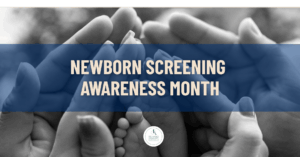
Each September, we observe Newborn Screening Awareness Month to acknowledge one of America’s most significant public health successes: newborn screening.
Every year, nearly 4 million babies born across the United States undergo newborn screening—about 98% of all births, thanks to state-run programs. These screenings use a simple heel prick to collect a few drops of blood and hearing and pulse oximetry tests to detect severe but often hidden conditions. National Academies
These tests can uncover a wide range of disorders, including spinal muscular atrophy, cystic fibrosis, sickle cell disease, congenital hypothyroidism, metabolic disorders, lysosomal storage diseases, severe combined immunodeficiencies, critical congenital heart defects, and hearing loss, long before symptoms appear.
Most states screen for at least 31 of the core Recommended Uniform Screening Panel (RUSP) conditions; many go beyond that with additional disorders. In some screening programs, up to 81 genetic conditions can be tested yearly.
Approximately 12,500 newborns are diagnosed each year with one of the core RUSP conditions, or about 1 in every 320 babies screened. Of these diagnoses, nearly 1,240 are for inherited metabolic conditions that could otherwise result in intellectual disability or early death, underscoring the life-saving potential of early detection.
The Centers for Disease Control and Prevention (CDC) has recognized newborn screening as one of the top public health accomplishments of the 21st century. It enables early intervention, improves outcomes, and gives children the chance to reach their full potential.
This simple, timely screening transforms potential tragedies into opportunities. By detecting and treating disorders before they cause irreversible harm, newborn screening empowers clinicians, parents, and communities to foster healthier lives from day one.
This September, let’s celebrate the lives saved, the futures brightened, and the hope renewed by newborn screening and continue raising awareness so every baby benefits from this essential program.
For more information and family resources, click here