
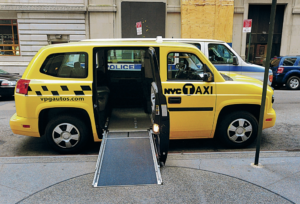
A federal judge has ordered New York City to ensure that all new yellow taxis are wheelchair-accessible until the city fulfills the terms of a decade-old settlement. Judge George Daniels, from the Southern District of New York, ruled on August 29, 2024.
The ruling requires the city to follow a 2014 settlement that stipulates at least half of the city’s 13,000 yellow cabs must be wheelchair accessible. Judge Daniels also mandated that any new taxis joining the yellow fleet must also be accessible to individuals with disabilities.
Accessible public transport, including taxis, is a critical component of an inclusive society. It plays a vital role in ensuring that people with physical and developmental disabilities can navigate their communities with the same ease and independence as anyone else. Unlike standard taxis, which may present physical barriers, accessible taxis are designed to accommodate the needs of individuals with mobility challenges, offering features like ramps, wider doors, and space for wheelchairs.
Why Is Accessible Transport Important for People with Disabilities
For millions of people with physical and developmental disabilities, older adults, and those with temporary mobility issues, accessible taxis, and public transport mean the difference between independence and isolation.
Freedom of Movement: Accessibility ensures that everyone can travel where they need to, whether it’s for work, medical appointments, social activities, or shopping without relying on others. When taxis and public transport systems are accessible, they provide individuals with disabilities the same freedom of movement that others often take for granted. This autonomy is crucial for maintaining dignity and self-sufficiency in daily life.
Economic Participation: Accessible transport systems enable people with disabilities to participate fully in the economy. They can commute to work, access education, and engage in community activities. This not only benefits the individuals but also contributes to a more diverse and productive workforce.
Social Inclusion: Transportation is key to social inclusion. When people with disabilities can easily use public transport or hail a taxi, they are more likely to engage in community events, visit friends and family, and take part in social activities. This fosters a sense of belonging and reduces social isolation.
Legal and Moral Obligations: Many countries have legal requirements for accessible transport under disability rights laws. Beyond legal obligations, there is a moral imperative to ensure that all members of society have equal access to public services, including transportation.
Aging Population: As the global population ages, the demand for accessible transport will only increase. Providing accessible transport options is not just about meeting current needs but also preparing for future demand as more people face mobility challenges with age.
Better Design for All: Accessibility improvements, such as low-floor buses, ramps, and audio-visual announcements, often benefit everyone, not just those with disabilities. Parents with strollers, travelers with luggage, and people with temporary injuries also find these features helpful.
In conclusion, making taxis and public transport accessible is not just about meeting the needs of a specific group; it’s about building a society where everyone can participate fully and equally. By prioritizing accessibility, we take a significant step toward creating a more inclusive and equitable world for all.